
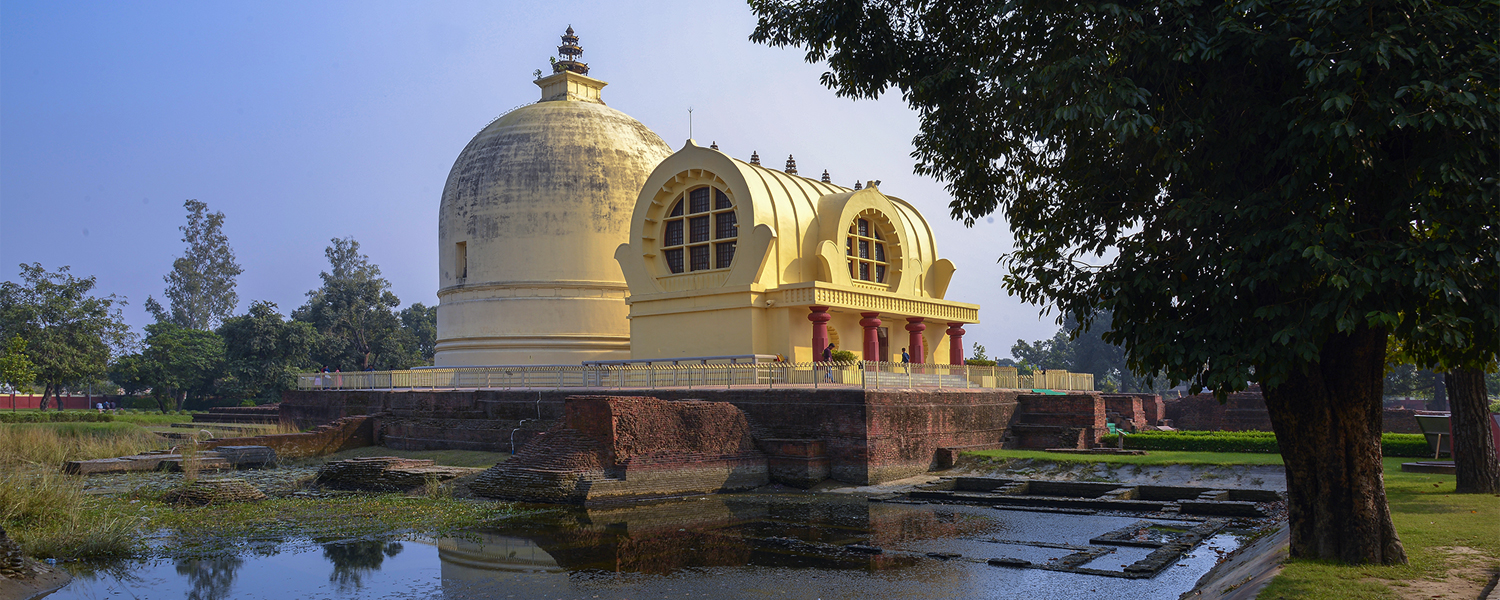
This massive brick stupa, unearthed during excavations in 1876, rests on a plinth 2.74 meters high and rises to a height of 19.81 meters above ground level. During the excavation, a copper vessel was discovered, inscribed in ancient Brahmi script, revealing that it once contained the remains of Lord Buddha. Additionally, silver coins dating back to the 5th century A.D. were also found at this historic site.
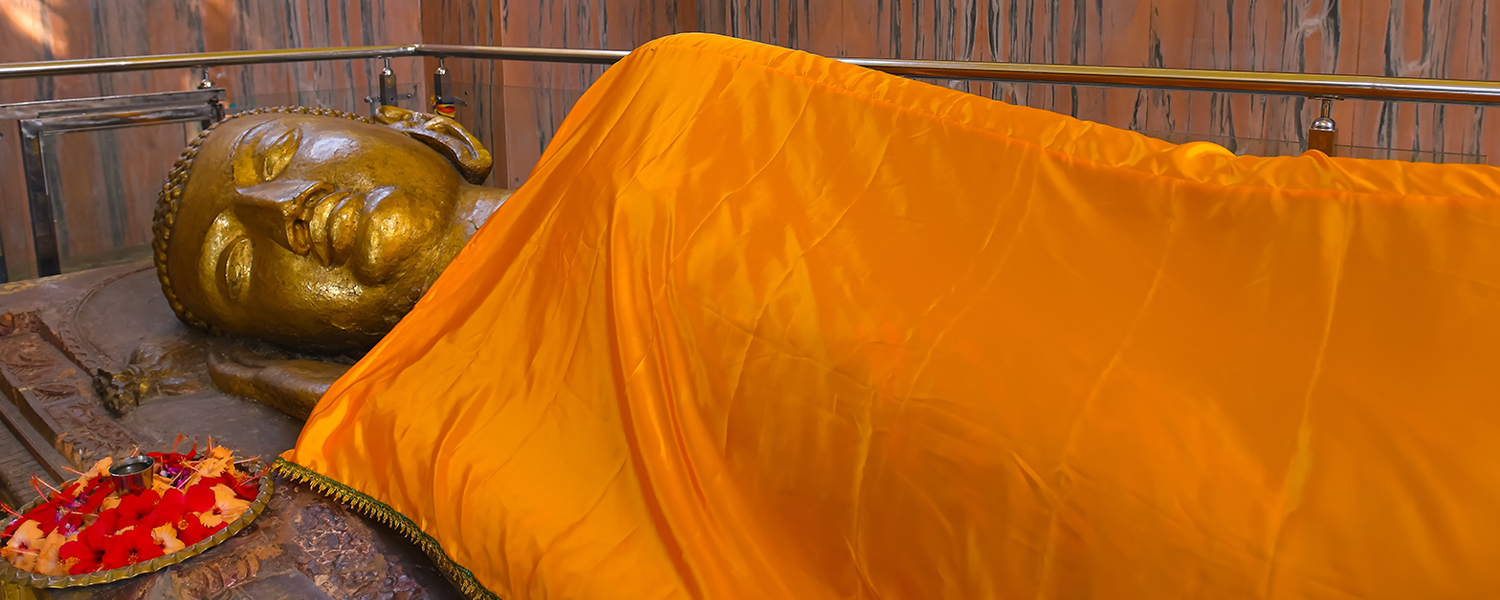
This site features a 6.10-meter-long reclining Buddha statue, carved from Chunar sandstone. Unearthed during the 1876 excavations, it depicts the Buddha in his final moments, resting on his right side. An inscription beneath the statue dates it back to the 5th century.
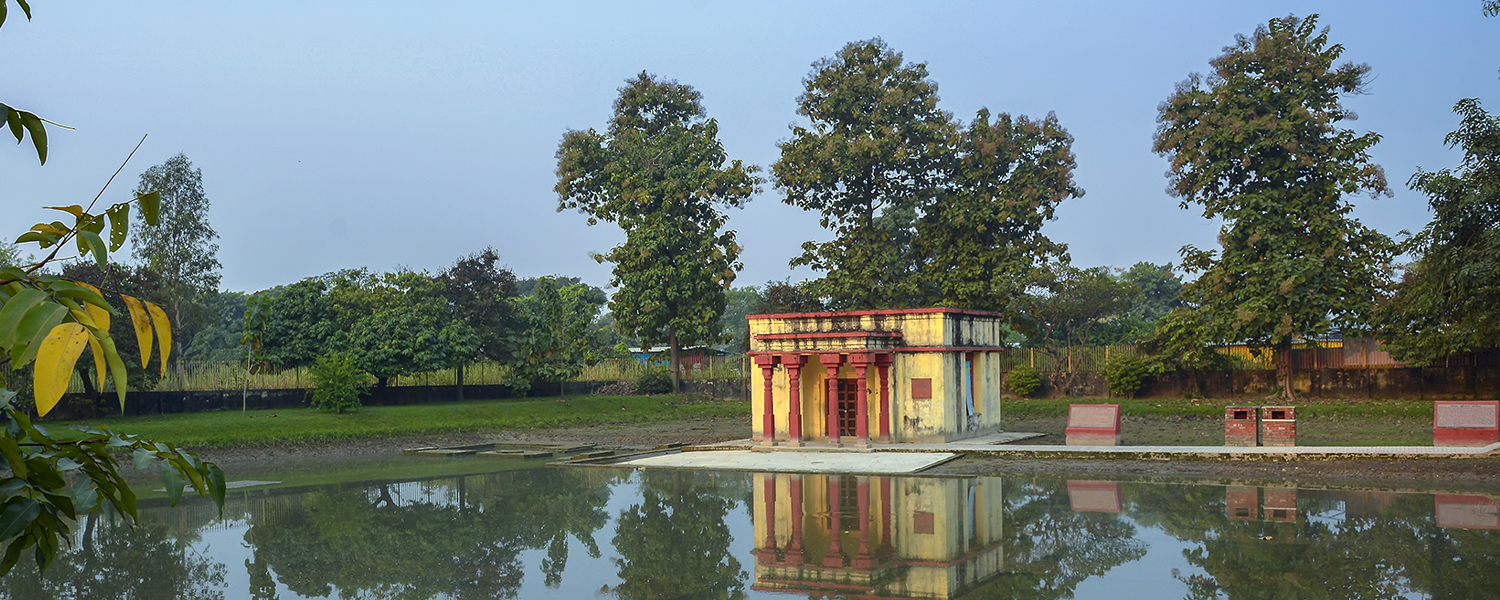
Mathakuar Shrine, located about 400 yards from the Nirvana Stupa, is where a stone statue of Lord Buddha in the 'Bhumi Sparsha Mudra' (earth-touching posture) was excavated. Dating back to the 10th-11th century, the statue was found beneath a Bodhi tree. Nearby, the ruins of an ancient monastery were also uncovered.
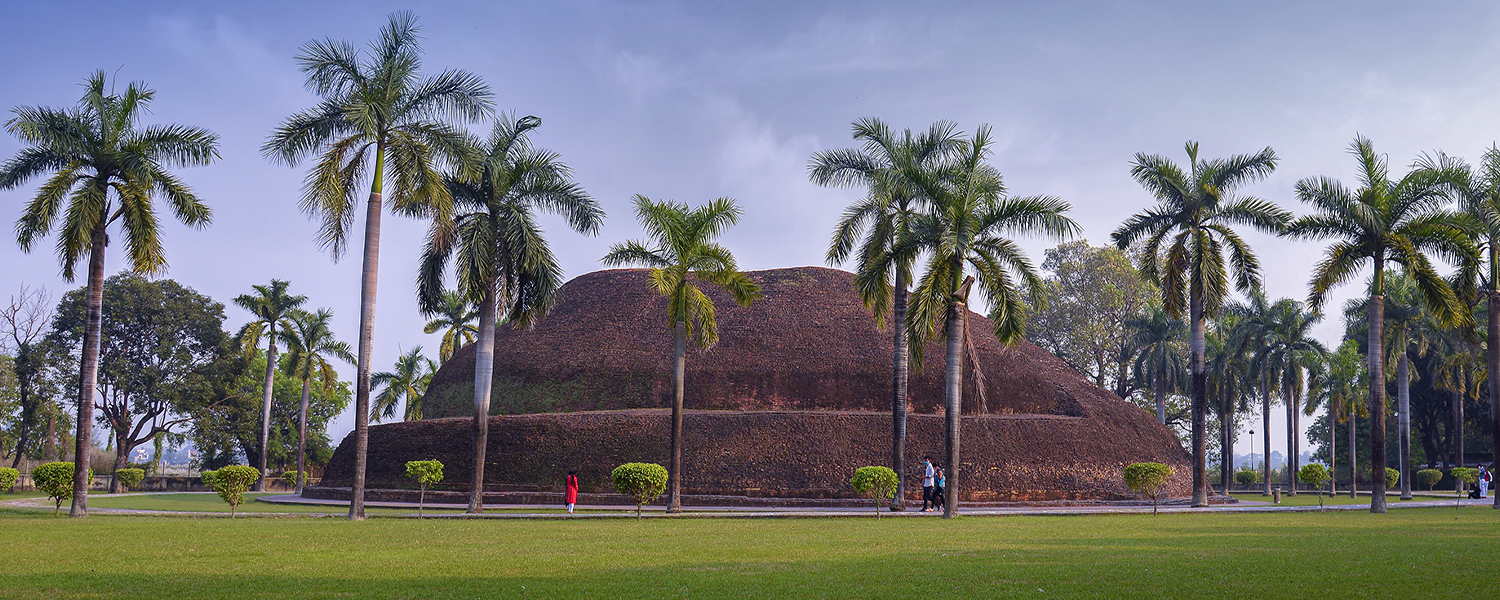
Ramabhar Stupa, located 1.5 km from the Mahaparinirvana Temple, stands 15 meters tall and marks the site of Lord Buddha's cremation. Ancient Buddhist texts refer to it as 'Mukut-Bandhan Chaitya.'
The Watt Thai Temple is a magnificent temple complex designed in the traditional Thai Buddhist architectural style. Located in Kushinagar, this iconic structure serves as a symbol of cultural and spiritual harmony between India and Thailand.
The temple stands as a beacon of peace and goodwill, welcoming visitors from around the world to immerse themselves in its spiritual aura.
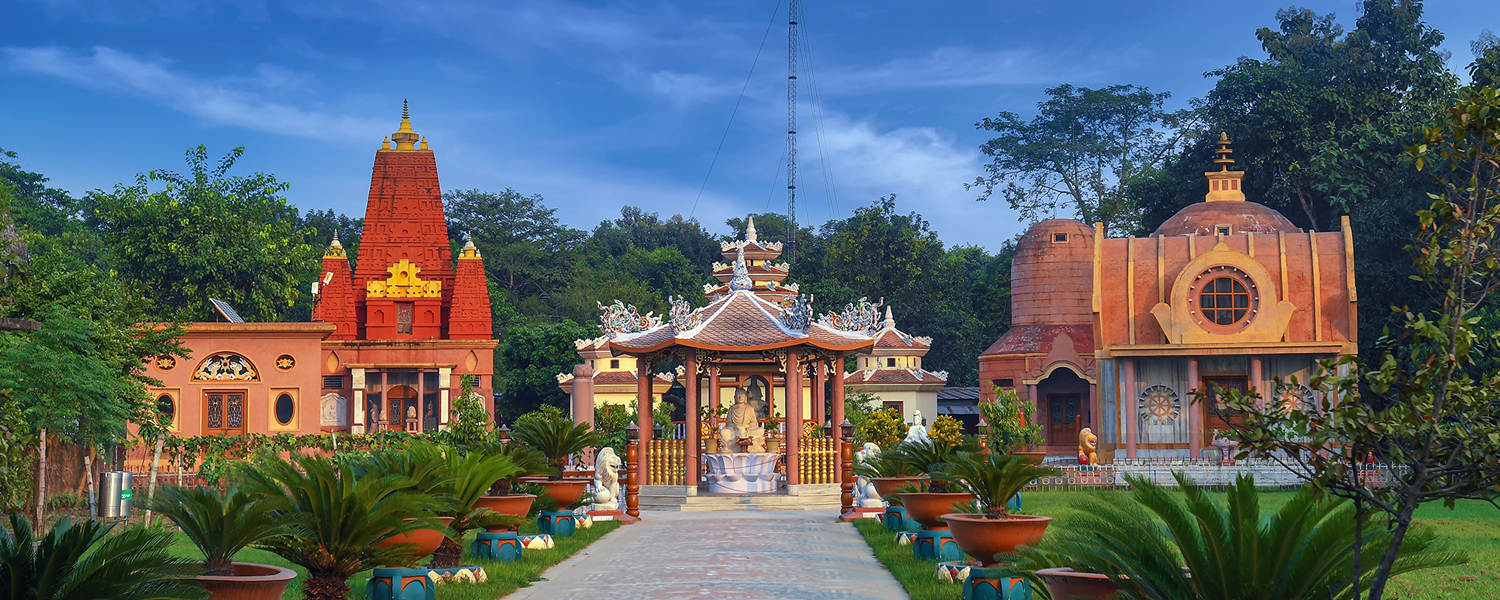
The Chinese Temple in Kushinagar is a remarkable blend of traditional Chinese and Buddhist architecture, making it a unique attraction in the region. This temple, built by the Chinese Buddhist community, stands as a symbol of cultural and spiritual unity.
The Chinese Temple not only serves as a religious site but also as a testament to the enduring influence of Buddhism and the cultural ties between China and India. It is a must-visit destination for those exploring Kushinagar's rich spiritual heritage.
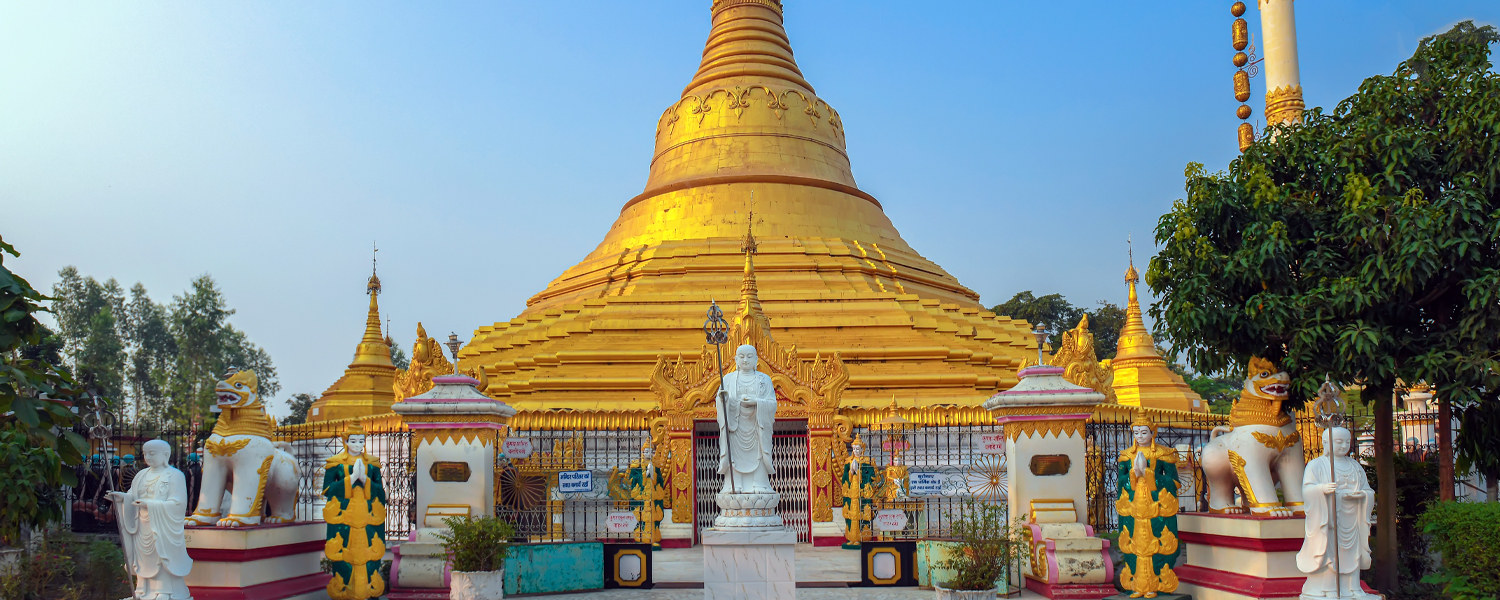
The Japanese Temple in Kushinagar is a serene and spiritually enriching site, known for its beautiful architecture and its deep connection to Japanese Buddhist traditions. This temple, built with Japanese influence, serves as a symbol of the cultural and spiritual bond between Japan and India.
A visit to this temple is a must for those exploring the spiritual and historical treasures of Kushinagar.
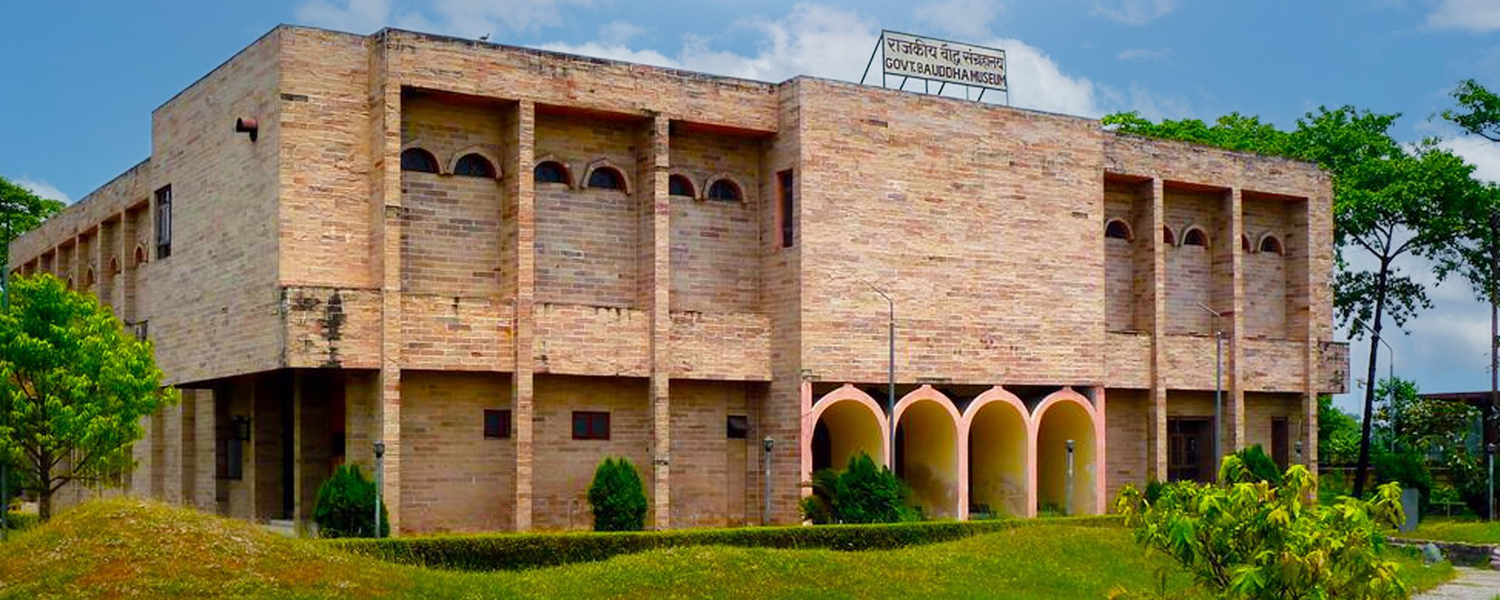
The Buddha Museum in Kushinagar is a treasure trove of history and spirituality, showcasing findings from the site excavations that reveal the rich heritage of Buddhism. Located in the heart of Kushinagar, this museum provides a glimpse into the ancient Buddhist civilization and its significant cultural impact.
Timings:
Open from 10:00 am to 5:00 pm
Closed on Mondays